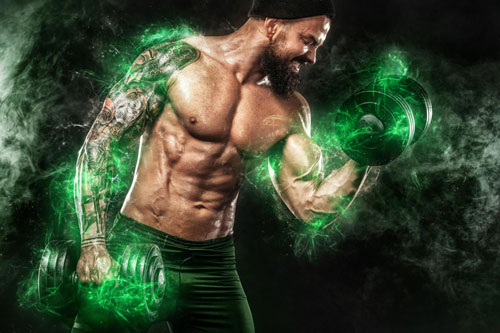
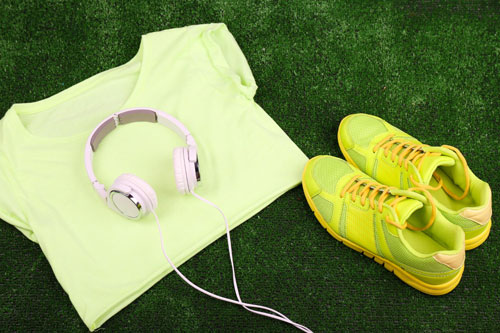
Sportswear has evolved from being a purely aesthetic choice to becoming a key element in performance, comfort, and injury prevention in any physical activity. It is no longer just about “dressing for training,” but about choosing fabrics, cuts, and technologies that support body movement, regulate temperature, and allow you to train better and for longer periods.
Today, whether you do CrossFit, running, hiking, or gym training, sportswear can make a real difference in how you feel during and after exercise.
The evolution of sportswear
A few decades ago, sports clothing was basically just cotton and little else. Heavy sweatshirts, t-shirts that became soaked with sweat, and non-flexible pants were the norm. This was not only uncomfortable but often negatively affected performance.
With the advancement of the textile industry and the rise of sport as a lifestyle, technical materials designed specifically for human movement began to appear. Specialized brands started developing breathable, elastic, and lightweight fabrics capable of improving the athletic experience.
Today, sportswear is designed through textile engineering: how the body moves, how it sweats, and how it regulates temperature are all carefully studied.
Most commonly used materials in sportswear
One of the most important factors when choosing sportswear is the material. Not all fabrics are the same or serve the same purpose.
Technical polyester
One of the most widely used materials. It is lightweight, durable, and dries very quickly. It helps wick sweat to the outside, avoiding a wet feeling.
Elastane (spandex or lycra)
Used to provide elasticity. It is essential in tight-fitting garments such as leggings or compression shirts, as it allows full freedom of movement.
Nylon
Highly resistant to wear and abrasion, ideal for intense sports or activities involving contact with rough surfaces.
Cotton (limited use)
Although comfortable, it retains sweat. It is still used in casual clothing or light workouts, but it is not ideal for high-intensity training.
Types of sportswear depending on the activity
Not all sportswear is suitable for every activity. Depending on the type of training, some garments are more appropriate than others.
CrossFit and functional training
In this type of training, which involves explosive movements, jumps, lifts, and high intensity, clothing should be:
- Elastic
- Durable
- Breathable
- Free of uncomfortable seams
High-compression leggings and fitted technical shirts are usually the best option.
Running
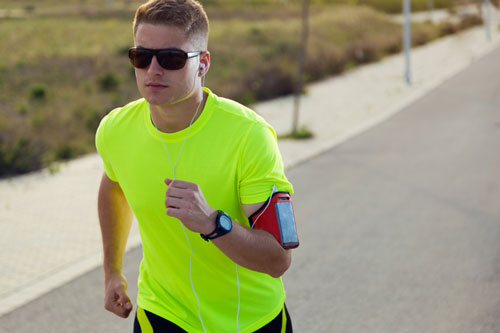
For running, the priority is lightness and ventilation. The ideal garments are:
- Ultra-lightweight
- Fast-drying
- With flat seams to avoid chafing
Hiking
In activities such as mountain walking—something many people enjoy in their free time—the key is adapting to the climate:
- Thermal layers in winter
- Breathable clothing in summer
- Windproof or waterproof jackets
Traditional gym training
Here there is more flexibility. Comfort and freedom of movement are prioritized, although more people are now choosing technical clothing even for strength training.
The importance of fit: not too loose, not too tight
One of the most common mistakes when choosing sportswear is ignoring fit.
- Too loose clothing: can get caught, interfere with technical movements, or cause discomfort.
- Too tight clothing: can restrict mobility or create excessive pressure.
The ideal balance depends on the sport. For example, CrossFit tends to work better with fitted but flexible clothing, while hiking usually favors a looser fit.
Breathability and sweat management
When we exercise, the body regulates temperature through sweating. Modern sportswear is designed to support this process.
A proper garment:
- Wicks sweat to the surface
- Allows fast evaporation
- Prevents moisture from staying on the skin
This not only improves comfort but also reduces the risk of getting cold after training.
Muscle compression: does it really work?
Compression clothing has become very popular in recent years. It is used in leggings, shirts, and socks.
Its possible benefits include:
- Improved blood circulation
- Reduced muscle vibration
- A feeling of support during exercise
- Faster recovery in some cases
Although studies are not 100% conclusive, many athletes report improved muscle stability.
Design and motivation: the psychological factor
Sportswear affects not only the body but also the mind. Feeling comfortable and confident in what you wear can increase motivation to train.
This is known as “enclothed cognition”: the idea that clothing influences behavior. If you feel good in your sportswear, you are more likely to train with higher intensity and consistency.
How to choose sportswear intelligently
When buying sportswear, several factors should be considered:
- Type of sport you practice
- Training frequency
- Usual climate
- Material durability
- Freedom of movement
- Price-quality ratio
More expensive does not always mean better, but it is important to avoid low-quality garments that lose shape or performance after a few washes.
Care and maintenance
Technical sportswear requires proper care to maintain its properties:
- Wash in cold or low temperatures
- Avoid fabric softeners (they can damage breathability)
- Avoid excessive use of tumble dryers
- Wash inside out to protect technical fibers
Good maintenance can significantly extend the lifespan of garments.
Current trends in sportswear
The industry has evolved significantly and continues to grow. Some current trends include:
- Sustainable clothing made from recycled materials
- Seamless garments
- Minimalist designs
- Anti-odor technology
- Greater integration between fashion and sport (athleisure)
It is now common to see sportswear both in the gym and on the street.
Sportswear is no longer a secondary accessory but a tool that directly affects performance, comfort, and motivation. Choosing the right materials, fit, and type of garment can make the difference between an uncomfortable workout and an efficient, enjoyable session.
Investing in proper sportswear is not a luxury, but a way to take care of your body and improve your long-term training experience.